
PRP Treatment for Hair in Chattanooga: Boost Natural Regrowth
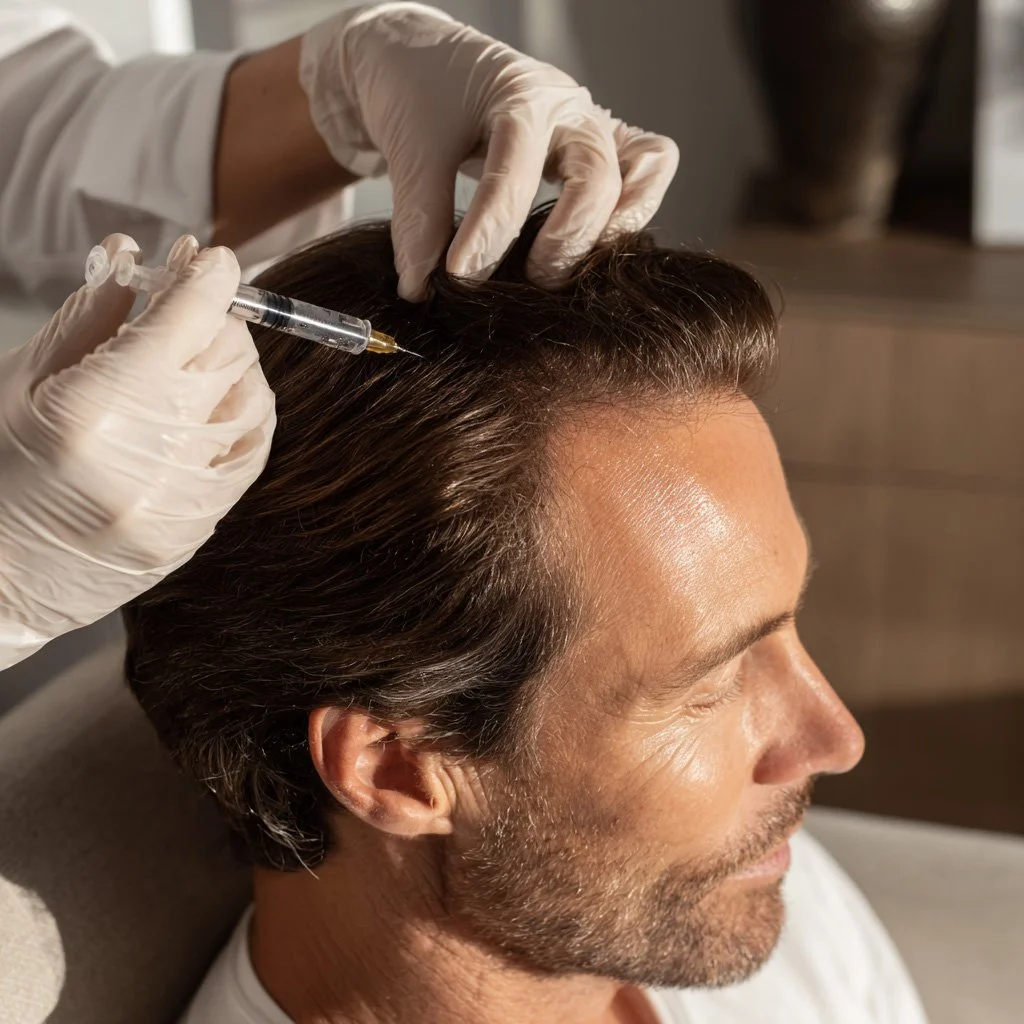
Hair loss usually does not start all at once. It shows up slowly. More hair in the shower drain. Thinning along the part. A scalp that is easier to see in photos. At some point, it stops feeling cosmetic and starts feeling personal. Many people reach that moment and ask the same question. Is there an effective treatment that does not involve surgery or a hair transplant?
PRP treatment for hair loss offers a medical option that uses your own blood to support hair growth. Platelet-rich plasma therapy focuses on improving hair follicle health, stimulating regrowth, and slowing hair thinning in the right candidates. It is not magic, and it is not for everyone, but when used correctly, it can be a helpful tool in hair restoration.
This article explains how PRP therapy for hair loss works, who is a good candidate, what the PRP procedure looks like, risks and side effects, and what results you can realistically expect. You will also learn how PRP compares to other treatment options and what to consider before starting PRP injections for hair restoration.
What PRP Treatment Is and Why It Is Used for Hair Loss

PRP stands for platelet-rich plasma. It comes from a small blood draw taken from the patient’s own blood. That blood sample is placed in a centrifuge to separate the plasma from red blood cells and other components. The result is a higher concentration of platelets suspended in plasma.
Platelets contain growth factors that play a role in wound healing and tissue repair. When PRP is injected into the scalp, these growth factors may help stimulate hair follicles, improve hair density, and support new hair growth in areas affected by hair thinning or androgenetic alopecia.
PRP injections for hair restoration focus on existing follicles. PRP does not create new follicles, but it may influence hair growth by improving the environment around weakened follicles that still have growth potential.
Common Hair Loss Patterns PRP May Help
PRP shows the most benefit in androgenetic alopecia, also known as male or female pattern hair loss. This condition causes gradual thinning along the hairline, crown, or part due to the genetic sensitivity of follicles. PRP may also help diffuse thinning and early-stage density loss, where follicles remain alive but weakened.
Causes PRP Will Not Fix on Its Own
Some hair loss requires medical treatment beyond PRP. These include:
Thyroid disease
Iron deficiency or nutritional deficiencies
Postpartum shedding
Medication-related hair loss
Autoimmune or scarring alopecias
PRP cannot override untreated medical conditions. This is why proper evaluation matters before starting any hair restoration plan.
Why Timing Matters
Hair follicles shrink over time. Early intervention offers better outcomes than treating advanced miniaturization. PRP works best when follicles still exist.
Your goal should be improvement, not perfection: thicker strands, less shedding, and better scalp health.
How PRP Therapy for Hair Loss Works
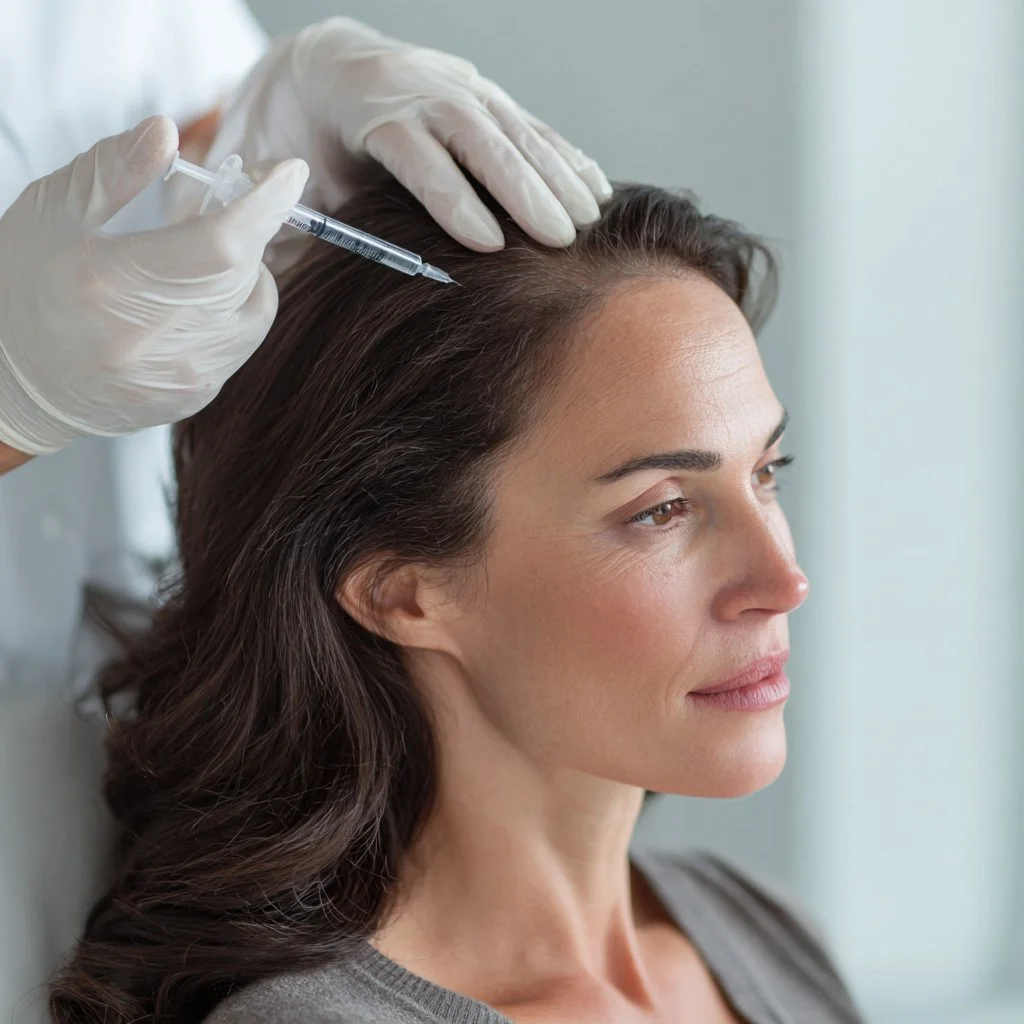
PRP therapy works by delivering a concentration of platelets directly into areas of the scalp affected by thinning hair or pattern baldness. Once injected, growth factors such as vascular endothelial growth factor, fibroblast growth factor, and epidermal growth factor may help stimulate blood flow and cellular activity around the hair follicle.
Clinical studies show PRP may improve hair density and thickness in selected patients, especially those with androgenetic alopecia. Outcomes vary based on technique and patient factors.
This process may help:
Support thicker hair strands
Reduce excessive shedding
Improve hair density over time
Encourage regrowth in early-stage hair loss
Results vary. The effects of PRP depend on the cause of hair loss, the stage of alopecia, scalp health, and how consistently treatment sessions are completed.
Who Is a Good Candidate for PRP Hair Restoration
Not everyone with hair loss is a candidate for PRP. The treatment works best when follicles are still present and capable of responding.
PRP may be a good option for:
Androgenetic alopecia or pattern baldness
Female pattern hair loss
Early to moderate hair thinning
Patients looking for a non-surgical hair restoration option
PRP is less effective for:
Advanced baldness, where follicles are no longer active
Scarring alopecia
Untreated medical causes of hair loss
A medical evaluation is essential before starting PRP therapy.
The PRP Hair Treatment Process at a Medical Spa: Step by Step
Knowing what to expect reduces anxiety and improves adherence.
Consultation and Scalp Assessment
Your visit includes:
Medical history review
Hair and scalp exam
Baseline photos
Personalized goals
You should leave understanding what success looks like for you.
Treatment Day: What Happens
The process includes:
Blood draw
Centrifugation to isolate PRP
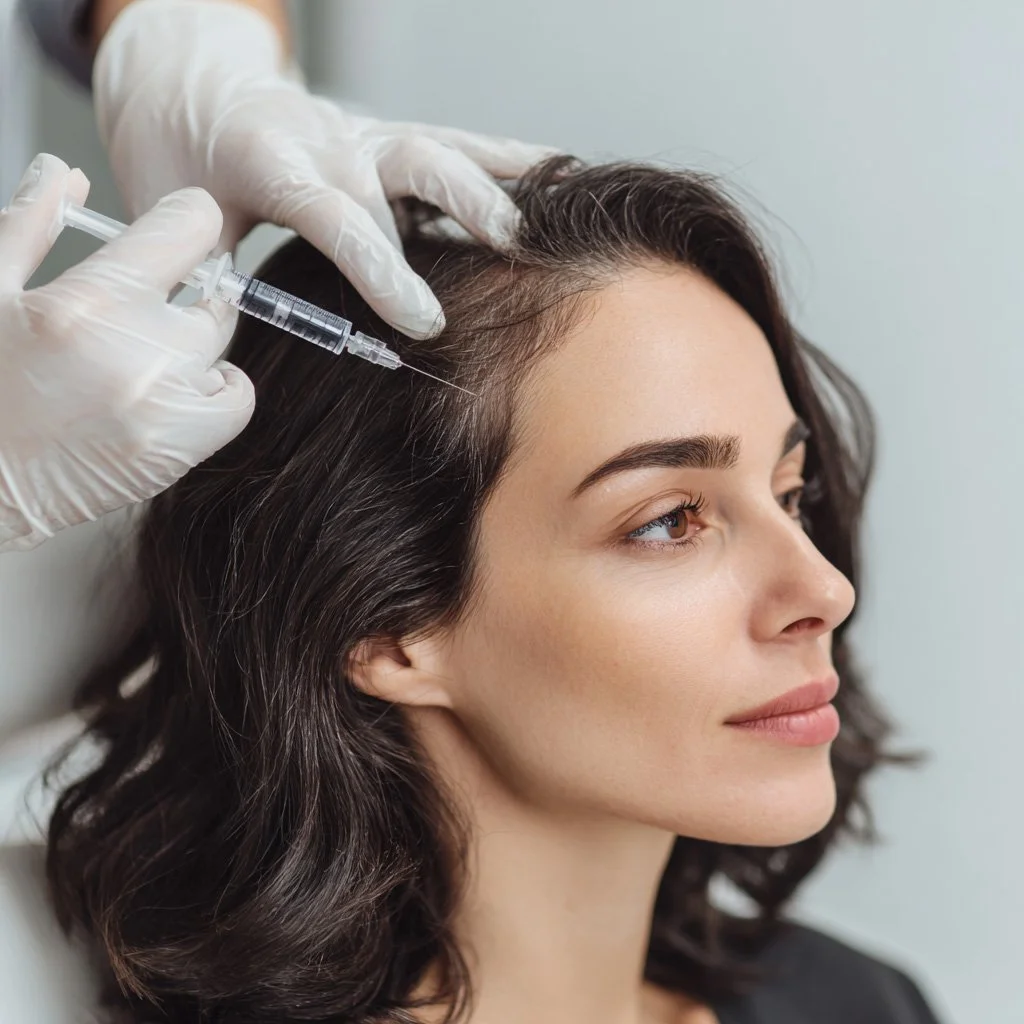
Scalp mapping and injections
You may feel pressure or brief stinging. We prioritize comfort.
Downtime and Aftercare
Most patients resume normal activity the same day. You should:
Avoid washing hair for 24 hours
Skip intense exercise briefly
Expect mild tenderness or swelling
Call the office if you experience severe pain, signs of infection, or unusual symptoms.
PRP Treatment Schedule and Timeline
PRP therapy for hair loss is not a one-time treatment. Most recommended treatment plans include multiple sessions.
Typical Treatment Schedule
| Phase | Timing | Purpose |
|---|---|---|
| First treatment | Month 1 | Activate follicle support |
| Follow-up sessions | One month apart for three months | Reinforce growth signals |
| Maintenance | Every 6 to 12 months | Maintain hair density |
Many patients notice reduced shedding within a few months. Visible hair regrowth and improved density often appear months after the first treatment.
Safety, Risks, and Honest Considerations
PRP uses the patient’s own blood, which lowers the risk of allergic reaction. That said, every medical procedure has potential risks.
Common Side Effects
Scalp tenderness
Mild swelling
Bruising at injection sites
Temporary headache
Less Common Risks
Infection, which is rare with sterile technique
Inflammation or irritation
Minimal response to treatment
PRP is approved by the FDA for certain uses. Its application for hair loss is considered a medical treatment option supported by clinical research, though results are not guaranteed.
Setting Realistic Expectations
PRP supports hair follicle health and can improve thickness and shedding in the right candidates, but it cannot reverse every type of hair loss or replace lost follicles. Proper diagnosis and individualized planning are essential, since the best results come from choosing the right treatment for the right condition.
Why Premier Medical Aesthetics in Chattanooga, TN
Premier was built from a medical foundation. Our founder transitioned from pediatric trauma, emergency, and urgent care into aesthetics after experiencing firsthand how subtle treatments restore confidence. That perspective shapes every patient interaction.
You receive medical oversight, sterile technique, and individualized planning, not a one-size-fits-all protocol. We track progress with photos and reassess regularly so your plan evolves with you.
We proudly serve Chattanooga with a comfort-first approach and honest guidance.
FAQs
-
Yes, PRP commonly helps women with pattern thinning and diffuse loss when follicles remain active.
-
Most patients start with a series, followed by maintenance. Your plan depends on response.
-
Expect gradual changes over 3–6 months.
-
Most patients tolerate it well. Discomfort is brief and manageable.
-
Downtime is minimal. Most patients resume normal activities the same day.
Final Words - Get a Natural-Looking Confidence Boost
You do not need to guess your way through hair loss. PRP offers a science-backed, natural option for many patients seeking thicker, healthier hair. When chosen appropriately, PRP can reduce shedding, improve density, and support long-term scalp health.
If you are ready for a personalized plan, schedule a consultation at Premier Medical Aesthetics in Chattanooga, TN.
Together, we will determine whether PRP fits your goals and build a strategy you can trust.