
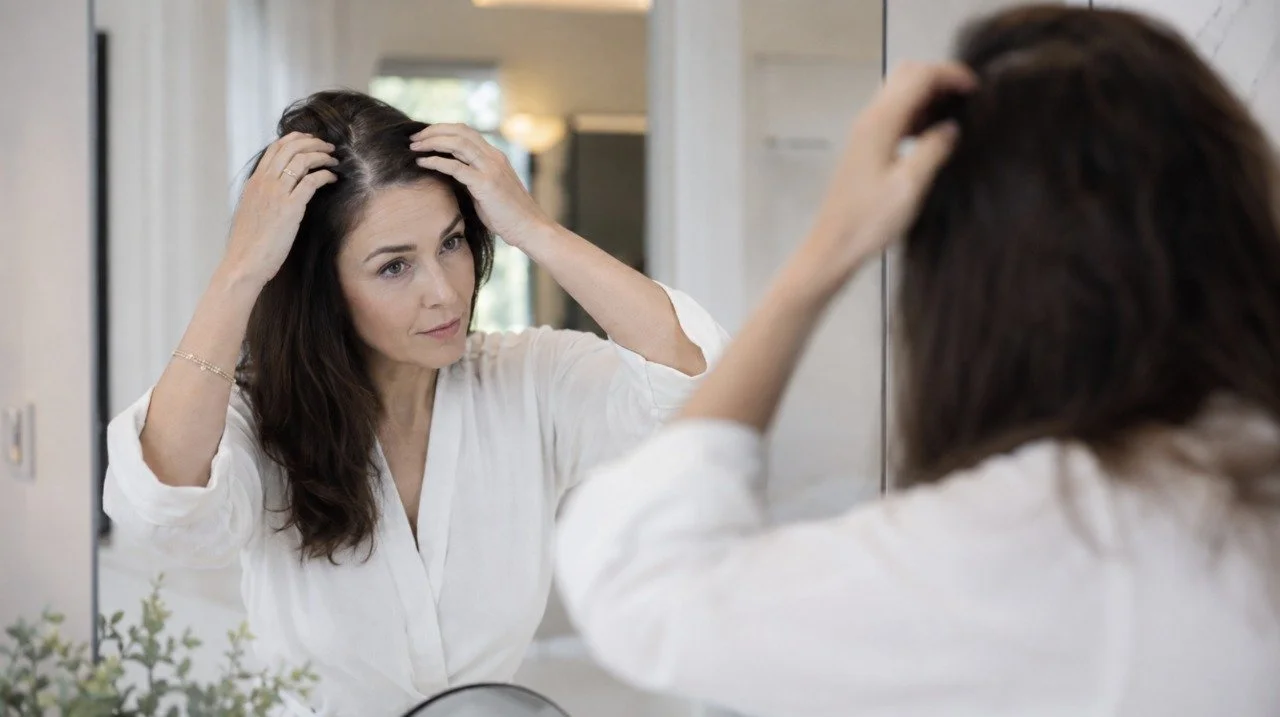
Hair thinning often starts quietly. A widening part, more strands left in the brush, less volume around the crown, or a ponytail that suddenly feels smaller than it used to. For many women and men in Chattanooga, those changes create a frustrating mix of concern and uncertainty. It can be hard to tell whether hair loss is temporary, hormone-related, stress-related, or something that may continue progressing over time.
The good news is that many forms of hair thinning can be addressed with the right plan and realistic expectations. A personalized thinning hair treatment approach may help support healthier hair growth, slow further hair loss, and improve overall scalp health. At Premier Medspa, we focus on customized care that helps you understand what may be contributing to hair thinning and which treatment options may make sense for your goals.
What You'll Learn From This Article
Common reasons hair thinning happens in women and men
How the hair growth cycle affects shedding and regrowth
Signs that hair loss may need medical evaluation
What topical, prescription, and in-office treatments may help
What realistic hair regrowth timelines often look like
How to choose a trusted hair loss provider in Chattanooga
Ways to support healthy hair and scalp function long-term
Why Hair Starts Thinning
Hair loss rarely happens for just one reason. Hormones, genetics, stress, aging, nutrition, scalp health, and medical conditions can all influence the rate of hair loss and the health of your hair follicles.
Understanding what is causing the change is often the first step toward choosing the right treatment options.
Common Causes of Hair Loss and Hair Thinning
One of the most common causes of thinning hair is androgenetic alopecia, also called female pattern hair loss or male pattern baldness. This condition tends to develop gradually over time and often affects the top of the head, crown, or hairline. According to the National Center for Biotechnology Information, androgenetic alopecia involves progressive shrinking of hair follicles, which can lead to finer, shorter hair growth cycles over time.
Other common causes of hair thinning include:
Telogen effluvium after illness, stress, surgery, or hormonal changes
Nutritional deficiencies involving vitamins and minerals
Thyroid disorders and other underlying medical conditions
Certain medications
Postpartum hormone shifts
Tight hairstyles that create repeated scalp tension
Autoimmune conditions such as alopecia areata
Some people notice slow hair loss over several years. Others experience sudden hair loss after a stressful event or illness. In many cases, the pattern itself provides important clues about the type of hair loss involved.
Once the cause becomes clearer, it becomes easier to understand how hair growth actually works and why some treatments take time to show results.
What Hair Growth Needs to Work Properly
Healthy hair growth depends on the condition of the scalp, the activity of the hair follicles, hormone balance, circulation, and overall wellness. Hair doesn't grow continuously at the same rate forever. Each strand follows a cycle.
That cycle helps explain why hair thinning treatments often require patience and consistency.
The Role of the Scalp, Hair Follicles, and Hair Growth Cycle
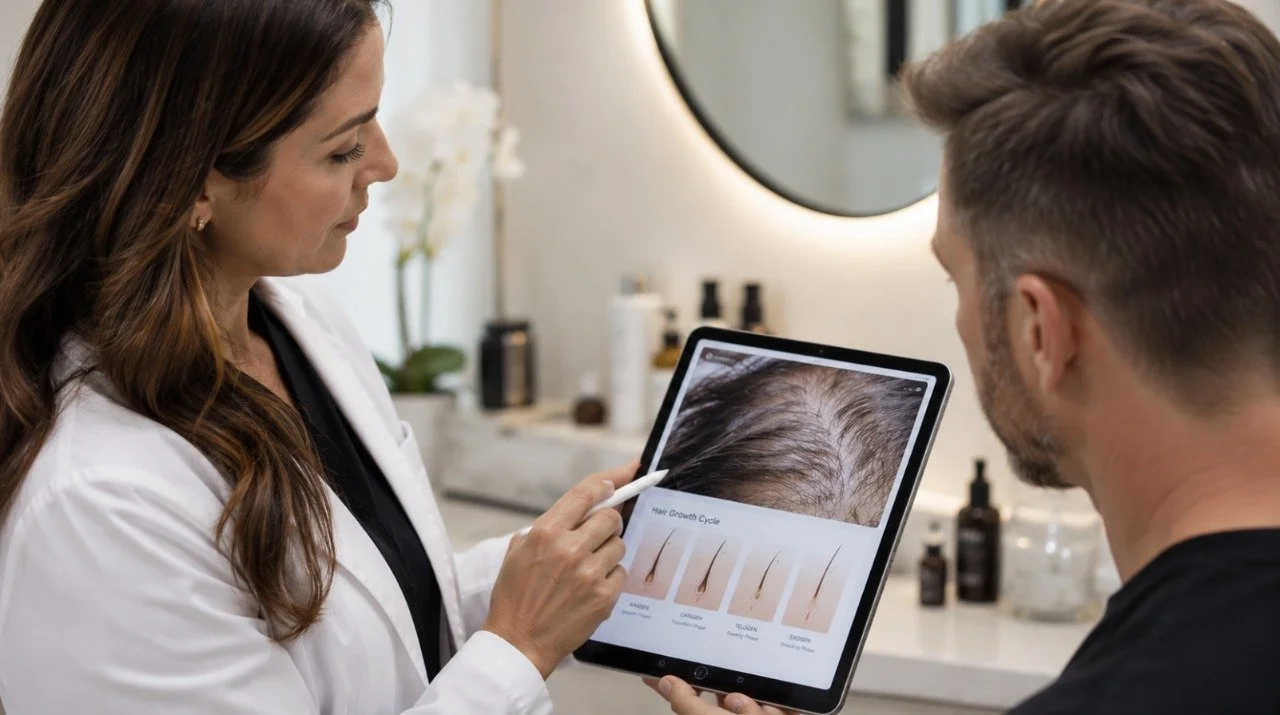
Hair follicles move through several stages during the hair growth process. At any moment, some follicles are actively growing new hair while others are resting or shedding.
When that cycle becomes disrupted, hair may begin thinning faster than it regrows.
| Hair Growth Stage | What Happens | Why It Matters |
|---|---|---|
| Anagen Phase | Active growth stage | Determines length and density |
| Catagen Phase | Transitional stage | Follicle prepares to rest |
| Telogen Phase | Resting stage | Hair stops actively growing |
| Exogen Phase | Shedding stage | Old hair falls out so new hair can emerge |
Hair thinning treatments often focus on helping support healthy scalp conditions and extending the active growth phase where possible.
That may include:
Improving scalp health
Supporting circulation around hair follicles
Addressing inflammation or scalp irritation
Supporting healthier hair shaft growth
Helping reduce excessive shedding
It's also important to know that hair regrowth takes time. Most people don't see meaningful improvement after only a few weeks. Depending on the treatment regimen, visible changes may take several months.
In some cases, thinning hair may point to something more than normal aging or genetics, especially if symptoms appear suddenly or unevenly.
When Thinning Hair Needs Medical Evaluation
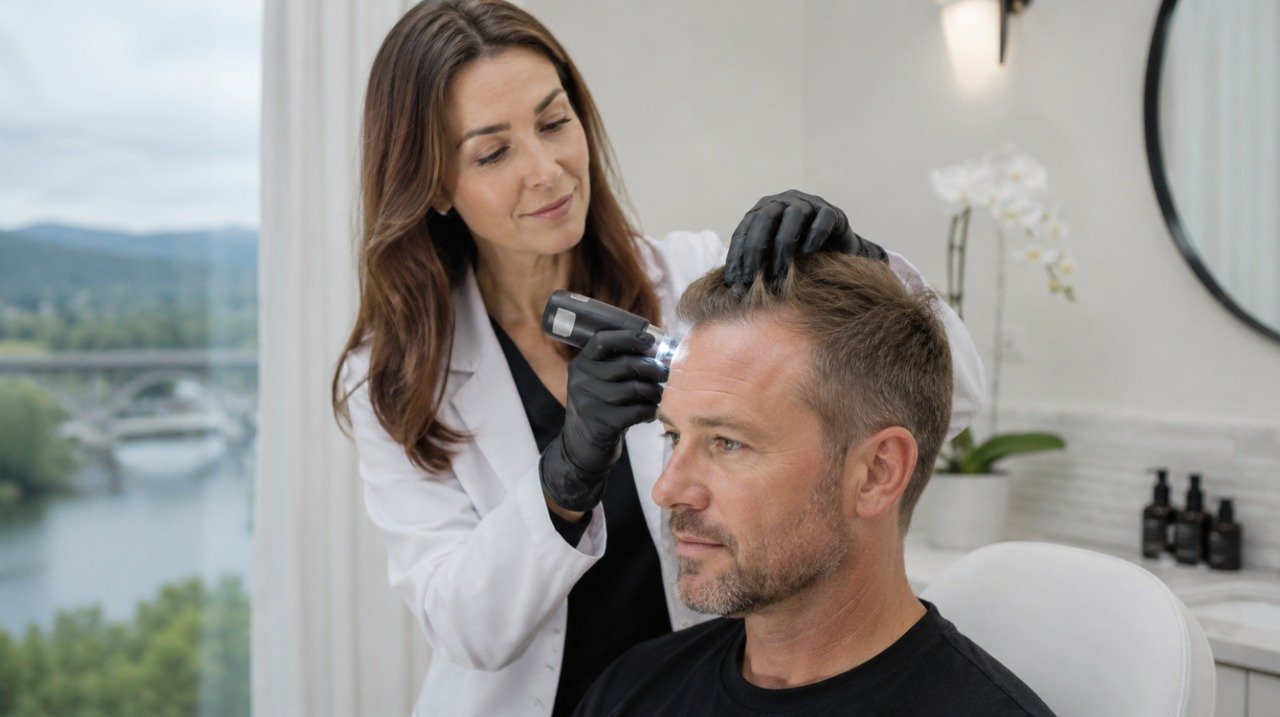
Some hair loss patterns are relatively predictable. Others deserve closer evaluation before starting home treatments or prescription medications.
Paying attention to associated symptoms can help determine when it makes sense to seek professional guidance.
Signs You Shouldn't Ignore
A consultation may be helpful if you notice:
Patchy hair loss
Rapid shedding
Scalp irritation or tenderness
Circular bald spots
Redness or scaling
Hair thinning after illness or medication changes
Sudden hair loss that develops quickly
Alopecia areata is one example of an autoimmune condition where the immune system attacks hair follicles, often causing smooth patches of hair loss. According to the American Academy of Family Physicians, evaluating the pattern and timing of hair loss helps guide appropriate treatment recommendations.
Some patients also experience scalp irritation from products, inflammation, or underlying skin conditions that may affect hair growth.
A thoughtful evaluation can help narrow down which treatments may actually support healthier regrowth rather than relying on trial and error.
Hair Thinning Treatments: What Options Are Available?
Hair thinning treatments are not one-size-fits-all. The best approach depends on the type of hair loss, how long it has been progressing, overall health, and treatment goals.
Some people respond well to topical treatments alone, while others may benefit from a combination approach.
At-Home, Prescription, and In-Office Treatment Options
Depending on the situation, treatments for hair loss may include:
Topical minoxidil
Prescription medications
Wellness support
Vitamins and minerals when deficiencies are present
Laser light therapy
Scalp-focused treatments
Hair restoration procedures
Referral for hair transplant evaluation when appropriate
At-home treatments may help some patients maintain healthy hair or slow further hair loss. Prescription treatments may be appropriate when hormone-related hair-thinning or androgenetic alopecia is involved.
In-office care may focus on scalp health, circulation support, or helping improve the environment around active hair follicles.
At Premier Medspa, treatment planning starts with understanding your goals and concerns first. Many patients want a natural-looking improvement without feeling pressured into aggressive treatment.
Knowing how commonly discussed medications work can also make treatment decisions feel less confusing.
Minoxidil, Finasteride, and Other Medications for Hair Loss
Several medications for hair loss are widely used for androgenetic alopecia and other types of hair thinning. These treatments work differently, and not every option is appropriate for every patient.
That is why individualized guidance matters.
What to Know Before Starting Treatment
Minoxidil is one of the most recognized topical treatments for hair thinning. It's available over-the-counter as a liquid or foam and is applied directly to the scalp.
Research published through the National Institutes of Health identifies minoxidil as one of the most established treatments for androgenetic alopecia.
Minoxidil may help support hair regrowth and reduce ongoing shedding in some patients. It does require consistency, and results often vary from person to person.
Possible side effects can include:
Scalp irritation
Dryness
Flaking
Temporary increased shedding during early use
Finasteride, also known as Propecia, is a prescription medication approved by the FDA for male pattern hair loss. It works by reducing the production of a hormone linked to follicle miniaturization.
Some women experiencing hormone-related hair thinning may also discuss spironolactone, sometimes called Aldactone, with a qualified provider.
Prescription treatments are not appropriate for everyone. Medical history, side effects, pregnancy considerations, and long-term maintenance should always be reviewed carefully before starting treatment.
While medications may help some patients, realistic expectations remain an important part of the conversation.
Can Hair Grow Back After Thinning?
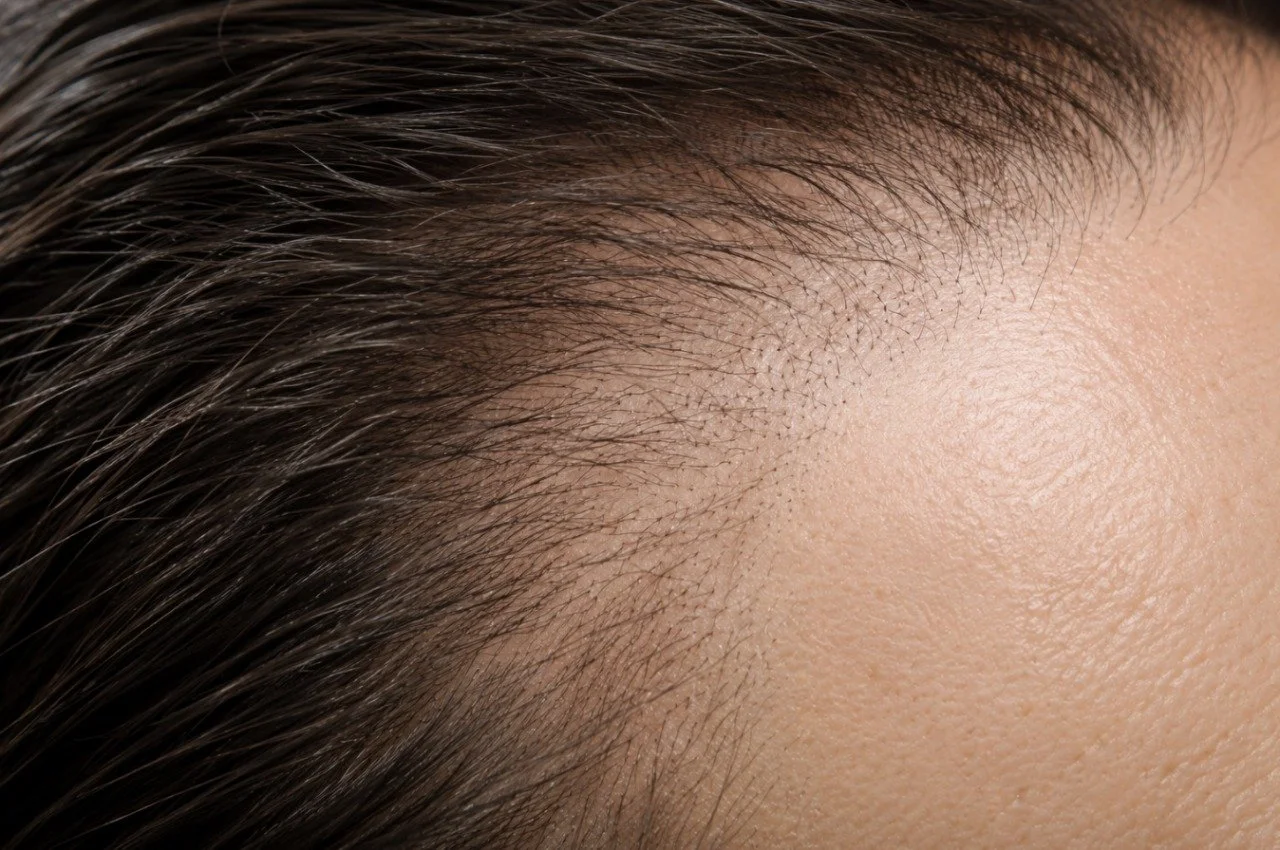
Hair regrowth depends on several factors, including the type of hair loss involved, how early treatment begins, and whether follicles remain active.
The goal isn't always dramatic regrowth. In many cases, slowing progression and supporting thicker hair can still make a meaningful difference.
Realistic Expectations for Hair Regrowth
Some patients notice:
Reduced shedding
Improved fullness
Thicker hair shafts
Healthier scalp conditions
Better overall hair density
Others may see slower progression rather than major regrowth.
According to clinical research published through PubMed, combination approaches may improve outcomes for some patients with androgenetic alopecia and other forms of hair thinning.
Hair doesn’t grow overnight, and consistency matters. Many hair-thinning treatments require ongoing use to help maintain results.
Longstanding baldness may also respond differently from early thinning because inactive follicles can become harder to reactivate over time.
That is one reason many patients choose to seek guidance earlier instead of waiting until hair loss becomes more advanced.
How Premier Medspa Approaches Thinning Hair Treatment in Chattanooga
Hair loss can affect confidence in subtle ways. Many people simply want to feel more like themselves again without dramatic changes or unrealistic promises.
That starts with honest conversations and personalized recommendations.
Personalized Support Based on Your Goals and Hair Concerns
At Premier Medspa, we focus on treatment plans that feel personal, approachable, and realistic. Patients often come to us wanting clearer guidance on what may actually help with thinning hair and which options fit their comfort level.
Many patients are looking for:
Natural-looking improvement
Clear explanations
Experienced providers
Wellness-focused support
Comfortable treatment experiences
Long-term planning for healthy hair and scalp care
For some patients, treatment may involve topical products or prescription therapies. Others may benefit from a broader approach that also considers wellness, stress, hormones, and scalp health.
Finding the right provider often comes down to trust, communication, and realistic guidance.
How to Choose the Right Hair Loss Provider in Chattanooga
Hair loss treatment can quickly become confusing online. Social media trends, before and after photos, and aggressive marketing often make every product sound like the answer.
A good consultation should help simplify the process, not make it feel more complicated. Book your personalized consultation with Premier Medspa today
Questions to Ask Before Starting Treatment
When considering thinning hair treatment in Chattanooga, it helps to ask:
What type of hair loss may be causing my thinning?
Are there signs of an underlying medical condition?
What treatment options fit my goals?
How long might it take to see changes?
What side effects should I know about?
Will maintenance be needed long-term?
Should I also see a dermatologist?
What results are realistic for my situation?
A provider should explain both the potential benefits and the limitations of treatment clearly. Honest conversations usually lead to better long-term decisions than rushed promises.
FAQs
1. What is the best thinning hair treatment for women?
The best thinning hair treatment depends on the cause of hair loss, hormone factors, scalp health, and overall medical history. Some women respond well to topical minoxidil, while others may benefit from prescription treatments or combination approaches.
2. Can thinning hair grow back?
In some cases, thinning hair may regrow partially when follicles remain active, and treatment begins early enough. Results vary depending on the type of hair loss and the treatment used.
3. Does minoxidil help with hair thinning?
Minoxidil may help support hair regrowth and slow further hair loss in some patients. It is commonly available as a liquid or foam applied directly to the scalp.
4. When should I see a provider for hair loss?
It is a good idea to seek evaluation if you experience sudden hair loss, patchy hair loss, scalp irritation, or progressive thinning that continues worsening over time.
5. Where can I find thinning hair treatment in Chattanooga?
Premier Medspa provides personalized consultations for patients in Chattanooga and nearby communities who want guidance on hair thinning concerns and treatment options.
Conclusion
Hair thinning can happen gradually or unexpectedly, and the causes are often more complex than most people realize. The right treatment plan depends on understanding what may be contributing to hair loss and choosing options that fit your goals, comfort level, and overall health.
At Premier Medspa, we believe hair restoration conversations should feel informative, supportive, and personalized. If you're exploring thinning hair treatment in Chattanooga, our team is here to help you better understand your options and create a plan that feels right for you.
