
Hair Restoration Treatment in Chattanooga, TN: How to Stop Hair Loss
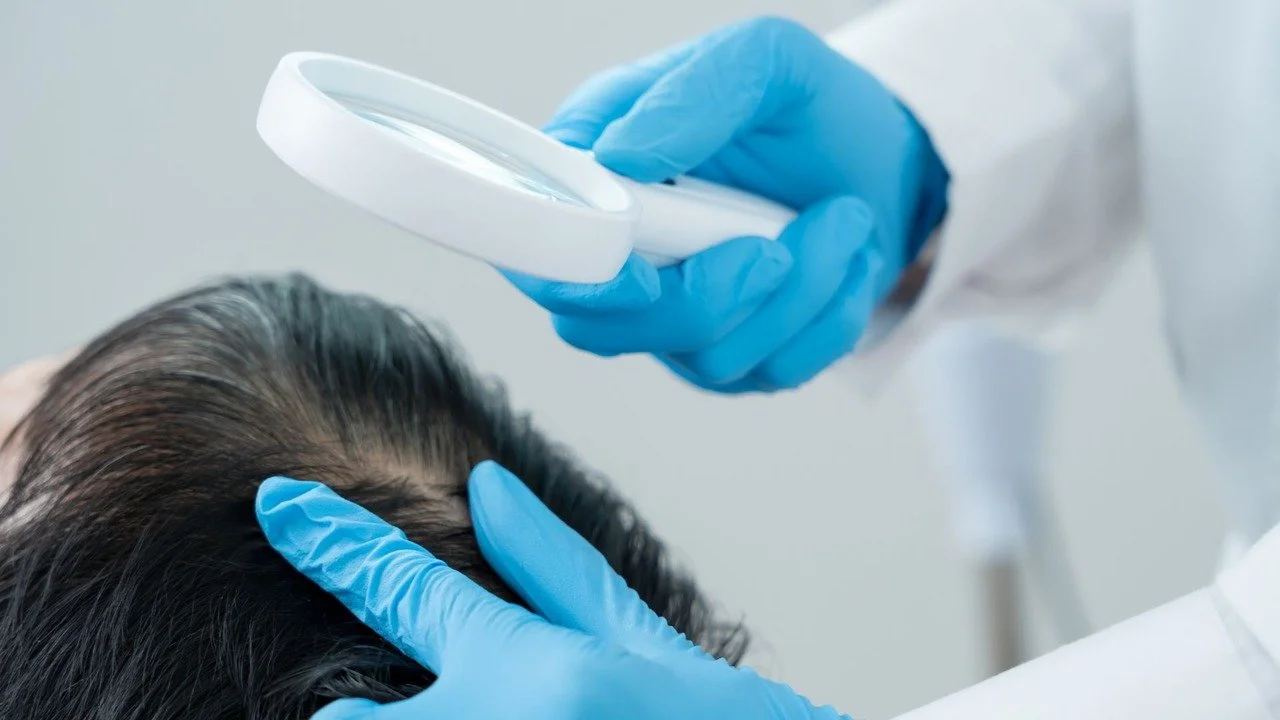
If you are dealing with thinning hair or sudden shedding, you probably want two things right away. You want to know why this is happening, and you want a real hair loss treatment that can help. That is where a smart, medical approach matters. The right hair restoration treatment can help slow hair loss, support hair growth, and improve the look of your existing hair before the problem gets worse.
At Premier Medical Aesthetics in Chattanooga, TN, we help patients who are experiencing hair loss find answers that make sense for their scalp, hair pattern, and goals. Some people need help with early shedding. Others want non-surgical hair restoration solutions that can stimulate hair follicles, improve hair density, and support new hair growth without surgery. There is no one-size-fits-all answer, and honestly, that is why so many store-bought products disappoint people.
What You’ll Learn From This Article
Hair loss gets confusing fast, so let’s keep this simple.
In this guide, you will learn:
What the main causes of hair loss are
The most common types of hair loss
Which treatment options actually make sense
How KeraLase fits into an approach to hair restoration
What to expect during your hair restoration journey
How pricing works at Premier Medical Aesthetics
How to support healthy hair after treatment
Understanding Hair Loss: What’s Really Happening
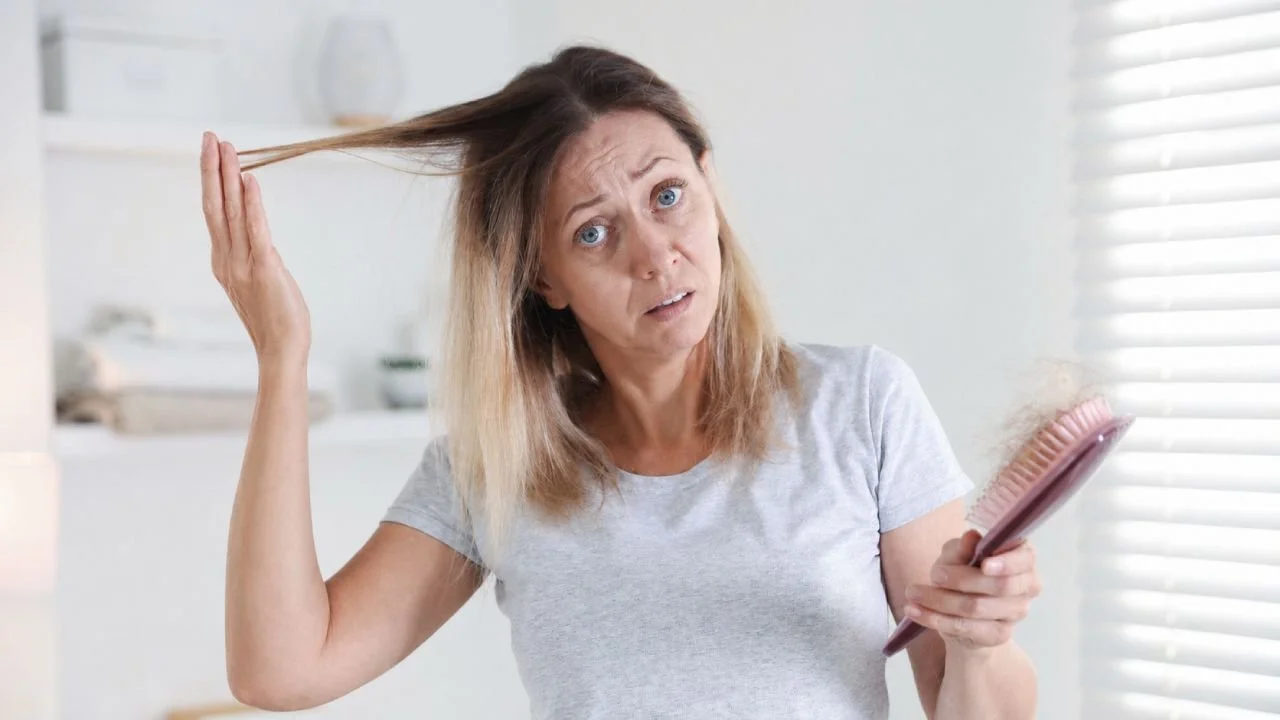
Hair loss is not random. In most cases, your scalp follows a pattern, and once you identify that pattern, you can build a better hair loss treatment plan.
The Hair Growth Cycle Explained
Your hair grows in repeating stages. Each strand moves through a cycle, and that cycle affects how thick or thin your hair looks over time.
The growth phase of the hair, called anagen, lasts the longest. This is when your strand actively grows from the follicle. Then comes catagen, a short phase where the follicle shifts and stops active growth. After that, the strand enters telogen, the resting phase, and eventually sheds.
This phase of the hair cycle matters because too many hairs entering rest too early can leave your scalp looking thinner.
When this process stays balanced, you keep a fuller head of hair. When the cycle shifts the wrong way, your hair may fall faster than your scalp can replace it. That is one reason hair thinning becomes more noticeable with time.
When the Cycle Gets Disrupted
A disrupted cycle can show up in a few ways. You may shed more than usual. Your hair roots may produce finer strands. Some hair follicles may stay dormant longer than they should.
In pattern hair loss, one of the biggest issues is follicle miniaturization. That means the follicle gets smaller over time, and the strand it produces becomes thinner, shorter, and weaker. This is one reason male- and female-pattern hair loss often starts slowly. The change creeps up on you.
That is also why early treatment matters. Once hair follicles shrink for too long, regrowth gets harder. You usually get better results when you start during the early stages of hair loss, while the follicles still have activity.
Common Causes of Hair Loss
Most cases fall into clear categories. Knowing the cause helps us choose the best treatment for hair loss instead of guessing.
Genetic Hair Loss
Genetic hair loss, also called androgenetic alopecia, is one of the most common types of hair loss. In men, it often shows up as a receding hairline or thinning at the crown. In women, it usually appears as a widening part or overall diffuse thinning.
This type of pattern hair loss tends to move slowly. Still, it does not usually stop on its own. If you have a family history of male pattern or female pattern thinning, you may notice the same trend.
Hormonal Changes
Hormones can shift the hair cycle fast. Pregnancy, postpartum changes, thyroid imbalance, and menopause can all trigger shedding. This kind of hair loss due to hormone changes can happen suddenly, and it can feel really upsetting because the volume change shows up fast.
Some people recover once hormones settle. Others need support to promote hair growth again.
Stress, Nutrition, and Lifestyle
Stress can push more hairs into the shedding phase. Sudden weight loss, low iron, low protein intake, illness, and poor sleep can all affect hair. You may not connect your routine with your hair right away, but the scalp often shows the wear and tear.
Sometimes patients come in thinking they need hair transplant surgery, but what they actually need first is help correcting the trigger.
Scalp or Medical Conditions
Scalp inflammation, autoimmune disease, infection, and some medications can also affect growth. In these cases, you need the right diagnosis before starting cosmetic care. A treatment that works for pattern loss may not help if the real problem sits deeper.
That is why a thoughtful treatment plan matters.
Early Signs You Shouldn’t Ignore
Hair loss often gives you hints before it becomes obvious. The sooner you notice them, the more effective treatments you may have.
Common Signs of Early Hair Thinning
You may see:
A wider part
A smaller ponytail
More strands in the shower or brush
Scalp showing through under bright light
Uneven density in certain areas
These signs do not always mean permanent loss, but they do mean it is time to pay attention. If your hair looks thinner than it used to, do not wait six months hoping it fixes itself.
Hair Loss Treatment Options: What Actually Works
Not every treatment does the same thing. Some help slow down hair loss. Some support hair regrowth. Some work best during the early stages of hair loss, before major thinning sets in.
At-Home and Medical Options
There are a few common paths people hear about first.
Topical treatment options like minoxidil can help some patients promote new hair growth and slow hair loss. Prescription medication for hair loss may also help in certain cases. These options require consistency, and results can vary a lot from person to person.
You may also hear about PRP, also called PRP therapy. This treatment uses your own platelet-rich plasma to support healing signals around the follicle. It can be one option for treating hair loss, especially in mild to moderate cases.
Some clinics also use low-level laser devices or low-level laser therapy as part of therapy for hair support. Laser-based care aims to improve scalp health and encourage a better environment for growth.
Surgical vs Non-Surgical Options
If you have more advanced loss, you may start looking into hair transplant or hair transplant surgery. Those surgery options can move follicles from one area of the scalp to another. They can work well for the right candidate, but they are not the first answer for everyone.
Many patients want hair without surgery. That is where non-surgical options, including non-surgical treatments for hair, non-surgical treatments for hair loss, and other non-surgical hair restoration treatments, become more appealing. These treatments aim to support follicles that are still active, help thicken existing hair, and encourage better scalp conditions.
KeraLase Hair Restoration: A Modern Solution
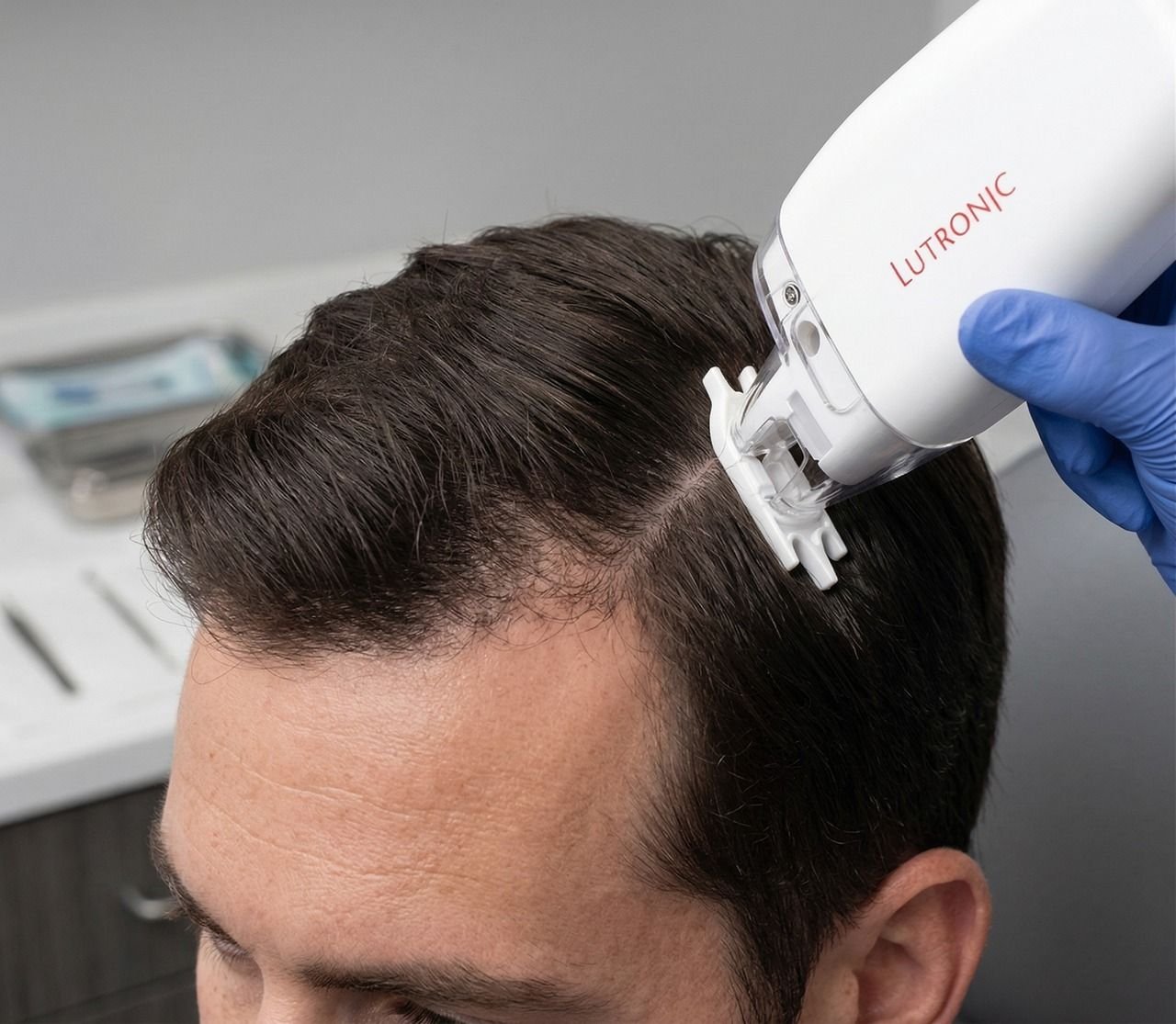
If you want a non-surgical option, KeraLase gives us a practical way to support follicles and scalp health.
What Is KeraLase Hair Restoration?
KeraLase is a hair restoration treatment that uses a laser-based device with a specially designed serum. This treatment, which uses laser energy, helps prepare the scalp so the serum can absorb more effectively.
The goal is to support the scalp, nourish weak follicles, and wake up dormant hair follicles that may still have growth potential. It is not a hair replacement procedure, and it is not restoration surgery. It is one of the treatments for hair restoration that fits patients who want to restore their hair support without surgery.
How KeraLase Works
KeraLase uses controlled laser energy to create tiny pathways in the scalp. That step helps the serum reach where it needs to go. From there, the treatment works to support follicle health and stimulate hair growth.
This process can help stimulate hair follicles, support regrowth, and improve the overall quality of existing hair. It may also help patients who want to promote hair growth, improve scalp health, and see steady improvements in hair texture and fullness.
Why Patients Like It
Patients often like KeraLase because it is comfortable, quick, and requires no downtime. You can go back to your day right after treatment. That matters when you want results but do not want the recovery time tied to surgery.
For patients with early to moderate thinning, it can be a strong option in a full approach to hair restoration.
What to Expect During Your Treatment
Knowing what happens ahead of time helps take the stress down a notch.
Consultation, Procedure, and Recovery
Your visit starts with a consultation. We look at the scalp, talk about the rate of hair loss, review your history, and decide if you are a good fit for treatment. This step helps us shape the right hair loss treatment plan.
During treatment, we apply the serum and use the laser-based device on the scalp. Most patients tolerate it very well. It feels easy, not intense. Afterward, you can return to your normal routine.
Results do not show up overnight. Hair grows slowly, so you need patience. As the follicles respond, you may notice less shedding first, then gradual fullness, then better hair density. That slow change is normal.
KeraLase Treatment Pricing in Chattanooga, TN
Premier Medical Aesthetics offers:
Single Treatment: $500
Six Treatments: $2,400
The package lowers the cost per session, which helps if you are planning a full series. Since treatments can help best when done consistently, many patients choose the package.
Quick Comparison of Hair Restoration Options
Here is a simple look at a few common choices:
| Treatment Type | Invasiveness | Downtime | Results Timeline | Best For |
|---|---|---|---|---|
| Topical treatments | None | None | Slow | Mild thinning |
| Medication for hair loss | Low | None | Moderate | Ongoing management |
| PRP therapy | Minimally invasive | Minimal | Gradual | Moderate loss |
| KeraLase | Non-invasive | None | Gradual, natural | Early to moderate thinning |
How to Maintain and Improve Your Results
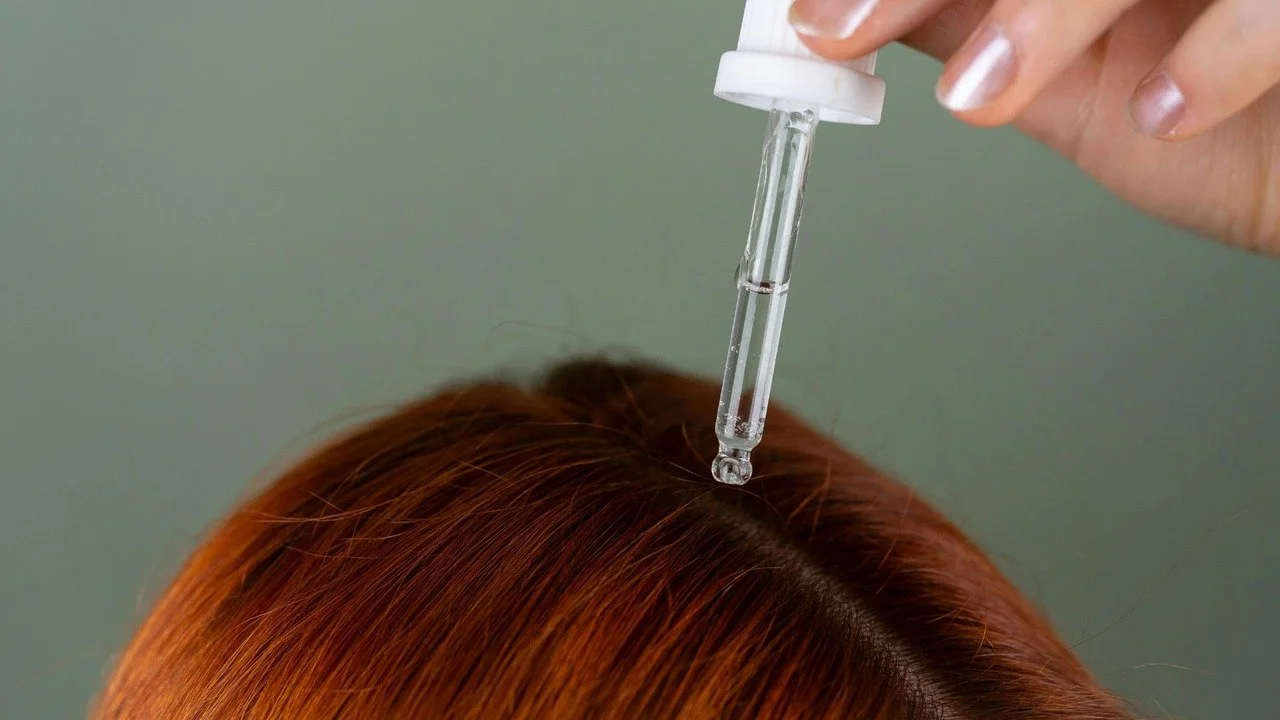
Treatment is one part of the process. Your daily hair care also matters.
Daily Support for Healthier Hair
Use gentle products. Avoid tight hairstyles that pull on the roots. Limit harsh heat styling when possible. Eat enough protein and make sure you are not running low on iron or other nutrients tied to healthy hair.
Follow-up sessions may help maintain progress. Some patients also combine KeraLase with other care, depending on their goals and scalp condition. The best treatments for thinning hair are often the ones you can stick with.
FAQs About Hair Restoration in Chattanooga, TN
-
Most people notice less shedding first. Visible new hair growth and fuller-looking hair usually take a few months.
-
No, most patients find it comfortable. It is much easier than people expect.
-
Many patients do best with a series of six. That gives the scalp time and repeated support.
-
No. It is not the same as a hair transplant. It is one of the non-surgical hair restoration solutions used to support active follicles and improve thinning hair.
-
That depends on the cause and how long it has been going on. Some cases respond well. Some need ongoing management. Early care gives you a better shot at preserving and improving hair.
Take Control Before Hair Loss Gets Worse
Hair loss is a common problem, but that does not mean you have to sit back and watch it progress. The right plan can stop hair loss and promote healthier growth, especially when you act early.
If you want hair restoration Chattanooga patients can trust, Premier Medical Aesthetics offers a clear path forward. KeraLase gives you one of the strongest non-surgical options for supporting follicles, improving density, and helping you restore hair without surgery.
Schedule your consultation at Premier Medical Aesthetics in Chattanooga, TN, and take the first step toward fuller, healthier hair.
